

Welcome to the topic of the Top 5 Manmade Wonders of the World! These are some of the most iconic and impressive structures ever built by humans and have had a significant impact on history, culture, and the global economy. In this discussion, we will delve into the details of each of these wonders, including their history, construction, and significance. We will also explore the challenges and innovations that were required to build these structures and the impact they have had on the world. Whether you are an expert on these wonders or are just starting to learn about them, we hope this discussion will provide you with a deeper understanding and appreciation for these incredible achievements of human ingenuity.
The Great Wall of China
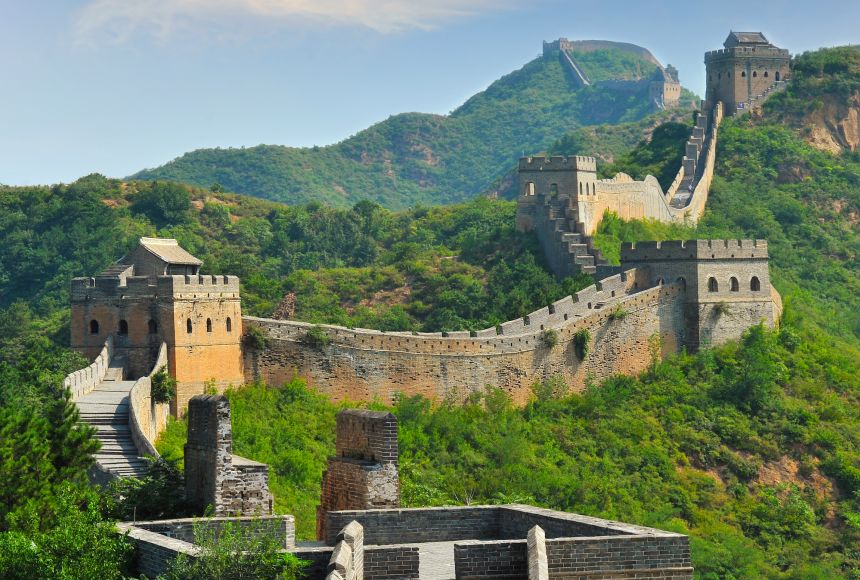
The Great Wall of China
The Great Wall of China is a series of fortifications that were built, rebuilt, and maintained over the centuries to protect the borders of the Chinese Empire. It stretches over 13,000 miles and was built using a variety of materials, including brick, tamped earth, and stone. The wall was constructed in sections by different Chinese dynasties, with the earliest sections dating back to the 7th century BC. The wall was built to protect the Chinese empire from invasions by nomadic groups and to keep out foreign influences. It was also used to control trade and to collect customs duties.
The Pyramids of Giza
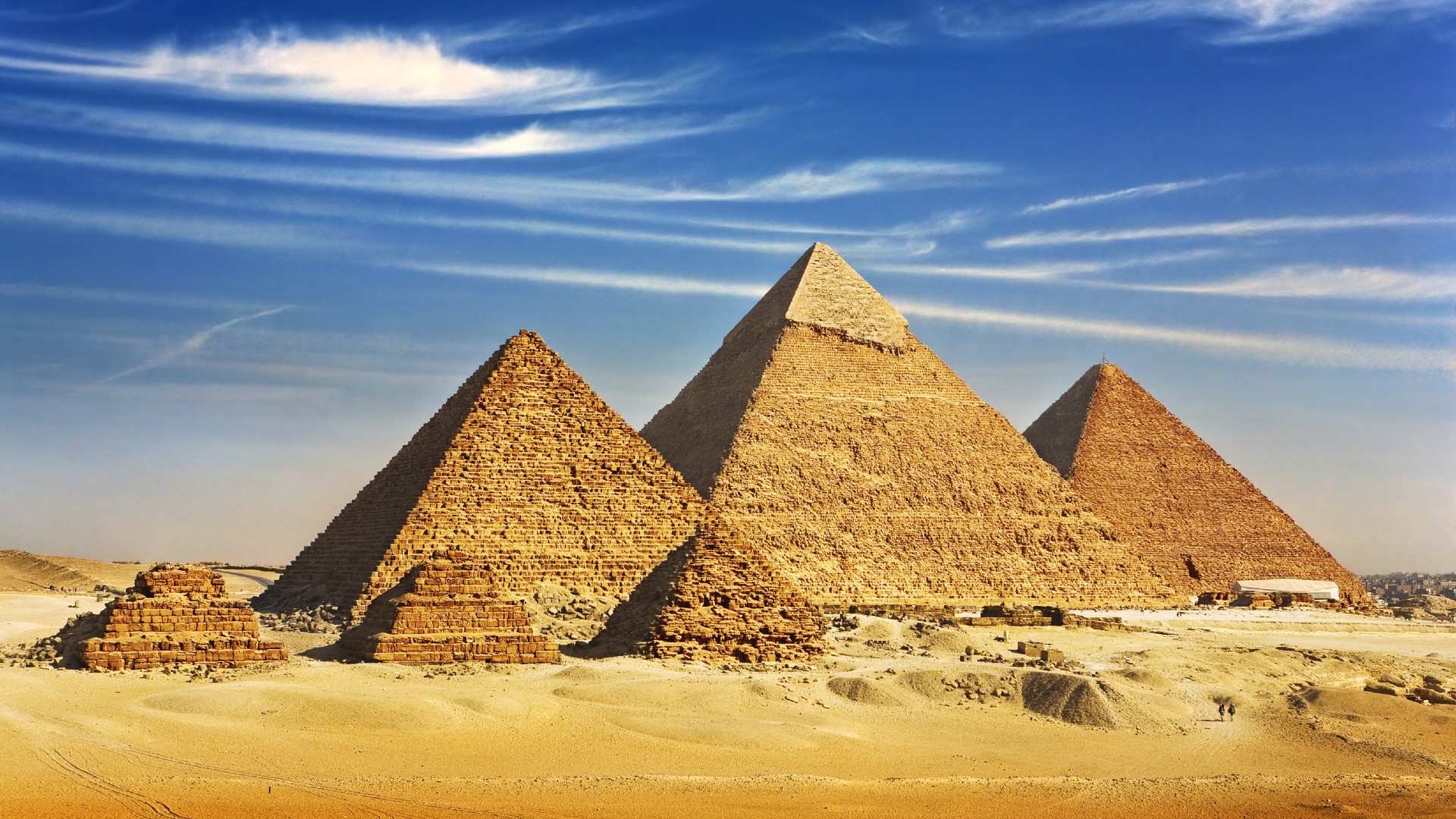
The Pyramids of Giza
The Pyramids of Giza are a group of ancient pyramids located in Giza, Egypt. They are considered one of the oldest and most iconic man-made wonders of the world. The pyramids were built as tombs for the pharaohs and their queens, and are some of the largest structures ever built. The Great Pyramid of Giza, also known as the Pyramid of Khufu, is the largest of the pyramids and is the oldest of the Seven Wonders of the Ancient World. It is thought to have been built over a period of 20 years using around 2.3 million blocks of stone, each weighing an average of 2.5 to 15 tons.
The Taj Mahal
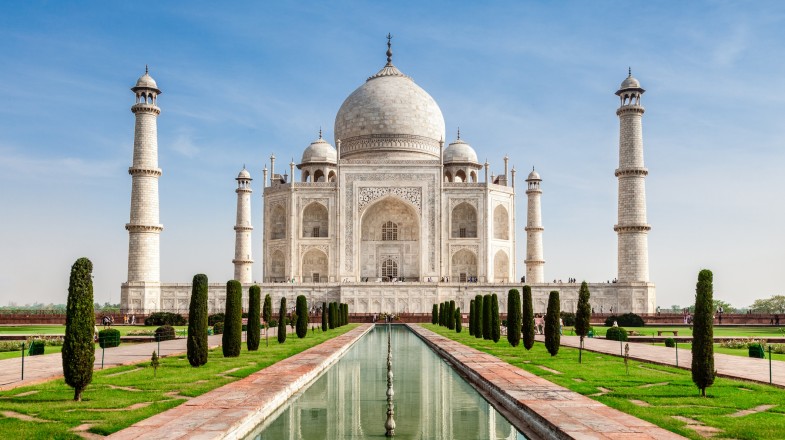
The Taj Mahal
The Taj Mahal is a white marble mausoleum located in Agra, India. It was commissioned by the Mughal Emperor Shah Jahan in memory of his favorite wife, Mumtaz Mahal, who died during childbirth. Construction of the Taj Mahal began in 1632 and was completed in 1653. It is considered one of the most beautiful buildings in the world and is a UNESCO World Heritage Site. The Taj Mahal was built using a variety of materials, including white marble, jasper, jade, and crystal, and was decorated with intricate carvings and inlaid with precious stones.
The Panama Canal
The Panama Canal
The Panama Canal is a man-made waterway that connects the Atlantic and Pacific oceans through the narrow land bridge between North and South America. It was built to reduce the distance and time it takes for ships to travel between the two oceans, as well as to reduce the cost of shipping goods. The Panama Canal was completed in 1914 after over a decade of construction. It is one of the greatest engineering marvels of the modern world, and is considered a key factor in the economic development of Panama and the surrounding region.
The Channel Tunnel
The Channel Tunnel
The Channel Tunnel, also known as the Eurotunnel, is an underwater tunnel that connects the UK and France. It is the longest undersea tunnel in the world, stretching for over 30 miles beneath the English Channel. The Channel Tunnel was completed in 1994 after over five years of construction. It was built using a variety of innovative technologies and techniques, including the use of tunnel boring machines and precast concrete segments. The Channel Tunnel has significantly reduced travel time between the UK and France, and has had a major impact on trade and tourism between the two countries.

0 Comments